

Hey there! As a supplier of Automatic Home Booster Pumps, I often get asked about their power consumption. It's a crucial topic, especially for folks looking to manage their energy bills and make eco - friendly choices. So, let's dive right in and explore what affects the power consumption of these nifty pumps.
Understanding the Basics
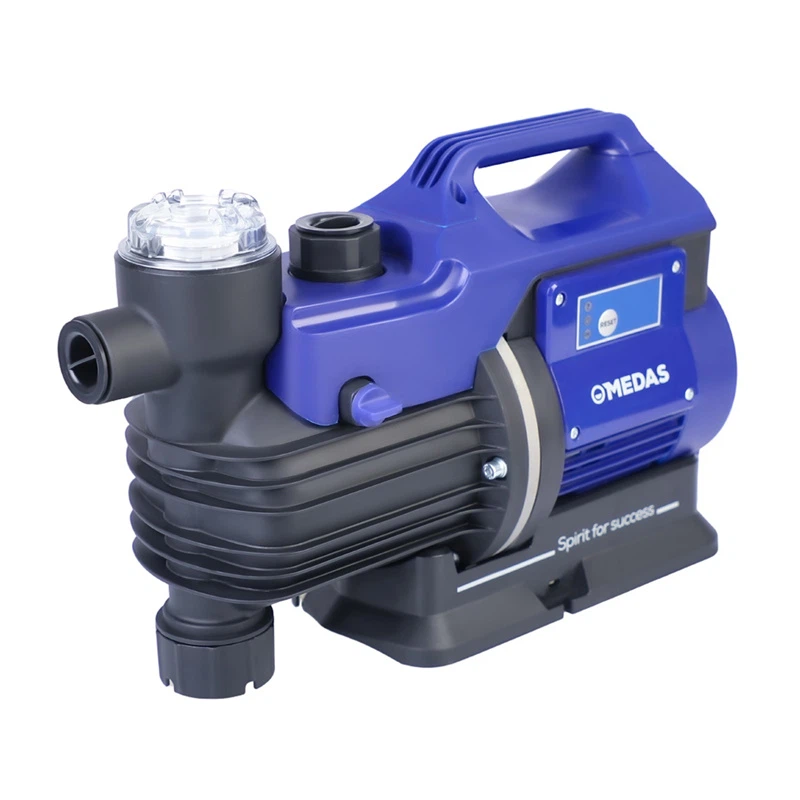
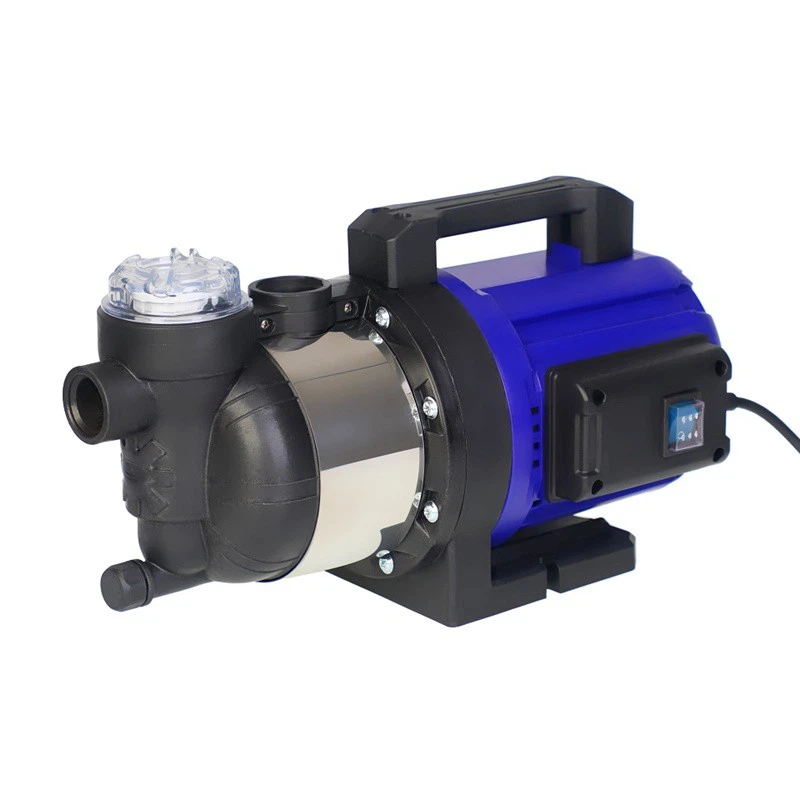
First off, what exactly is an Automatic Home Booster Pump? Well, it's a device designed to increase the water pressure in your home. Whether you're dealing with low water pressure in the shower, or you need a strong flow for your garden hose, these pumps can come to the rescue.
The power consumption of an Automatic Home Booster Pump isn't a one - size - fits - all deal. It depends on several factors, and we'll go through each one of them.
Factors Affecting Power Consumption
Pump Size and Capacity
The size of the pump plays a huge role. A larger pump with a higher capacity will generally consume more power. Think of it like a car engine - a bigger engine needs more fuel to run. If you have a large household with multiple bathrooms and high water demand, you'll need a pump that can handle the load. But keep in mind, this also means it'll use more electricity.
For smaller homes or applications with lower water needs, a smaller pump will do the job just fine and use less power. So, it's important to choose the right size pump for your specific situation.
Pump Efficiency
Efficiency is another key factor. Modern pumps are designed to be more energy - efficient than their older counterparts. A more efficient pump can deliver the same amount of water pressure using less power. When shopping for a pump, look for models with high energy - efficiency ratings. These pumps are not only better for your wallet but also for the environment.
Operating Time
How long the pump runs also affects power consumption. If your pump is constantly running, it'll use a lot more electricity. This could be due to a leak in the system, or perhaps the pump is set to operate at all times when it doesn't need to. Many modern Automatic Home Booster Pumps come with automatic control features that allow them to turn on only when there's a demand for water. This can significantly reduce the operating time and, in turn, the power consumption.
Calculating Power Consumption
To get a rough idea of how much power your pump will consume, you can use a simple formula. Power consumption (in kilowatt - hours) is calculated by multiplying the power rating of the pump (in kilowatts) by the number of hours it runs.
Let's say you have a pump with a power rating of 0.5 kilowatts, and it runs for 2 hours a day. The power consumption would be 0.5 kilowatts x 2 hours = 1 kilowatt - hour per day. Over a month (assuming 30 days), that would be 30 kilowatt - hours.
But remember, this is just a basic calculation. The actual power consumption can vary depending on the factors we discussed earlier.
Types of Automatic Home Booster Pumps and Their Power Consumption
There are different types of Automatic Home Booster Pumps, and their power consumption can vary.
Jet Pumps
Jet pumps are commonly used in residential applications. They can be either shallow - well or deep - well pumps. Shallow - well jet pumps generally have a lower power rating compared to deep - well jet pumps. Deep - well jet pumps need to work harder to lift water from greater depths, so they typically consume more power.
Submersible Pumps
Submersible pumps are placed inside the water source, such as a well or a sump pit. They are often more efficient than jet pumps because they don't have to work as hard to pull water into the system. However, their power consumption can still depend on the size and capacity of the pump.
Impact on Energy Bills
The power consumption of your Automatic Home Booster Pump can have a noticeable impact on your energy bills. If you have a high - power pump running for long periods, your electricity costs will go up. On the other hand, if you choose an energy - efficient pump and manage its operating time effectively, you can keep your energy bills in check.
Choosing the Right Pump to Manage Power Consumption
When selecting an Automatic Home Booster Pump, there are a few things you can do to ensure you're getting a pump that won't break the bank in terms of power consumption.
Research and Compare
Do your research and compare different models. Look at the power ratings, energy - efficiency ratings, and customer reviews. This will give you a better idea of how much power the pump will consume and how reliable it is.
Consult a Professional
If you're not sure which pump is right for you, consult a professional. A plumber or a pump expert can assess your water needs and recommend the best pump for your home. They can also help you optimize the pump's operation to minimize power consumption.
Our Product Range
At our supply, we offer a wide range of Automatic Home Booster Pumps. We have Automatic Home Garden Pumps LED WIFI, which are not only energy - efficient but also come with smart features. You can control the pump using your smartphone, which helps in managing its operating time effectively.
We also have Automatic Home Garden Pumps LED, perfect for smaller gardens or homes. These pumps are designed to use less power while still providing a decent water flow.
And if you're looking for a pump with a filter system, check out our Garden Pump With Filter System. It ensures that the water is clean and doesn't cause any damage to the pump, which can also contribute to its long - term energy efficiency.
Contact Us for Procurement
If you're interested in learning more about our Automatic Home Booster Pumps or are ready to make a purchase, we're here to help. Contact us for a detailed discussion on which pump would be the best fit for your needs and how you can manage its power consumption. We can also provide you with a quote and answer any questions you might have.
References
- “Residential Water Pump Handbook.” Various publications on residential water systems.
- Manufacturer specifications of Automatic Home Booster Pumps.


