

A fish pond is a beautiful addition to any garden, offering a serene and natural environment. One common question that pond owners often ask is whether a garden pump can be used for fish ponds. As a garden pump supplier, I'm here to provide a comprehensive answer to this query, exploring the feasibility, benefits, limitations, and considerations when using a garden pump for fish ponds.
Feasibility of Using Garden Pumps in Fish Ponds
Garden pumps are primarily designed to circulate water in garden settings, such as watering plants, filling fountains, or powering small water features. In many cases, they can indeed be used for fish ponds, especially for smaller ponds. These pumps are capable of moving water, which is essential for maintaining a healthy pond ecosystem. Water circulation helps in oxygenating the water, distributing heat evenly, and preventing the buildup of stagnant areas where harmful bacteria and algae can thrive.
However, it's important to note that not all garden pumps are suitable for fish ponds. The key lies in ensuring that the pump can meet the specific requirements of the pond, such as the water volume, the type of fish, and the desired flow rate.
Benefits of Using Garden Pumps in Fish Ponds
Oxygenation
One of the most significant benefits of using a garden pump in a fish pond is oxygenation. Fish need oxygen to survive, and stagnant water can quickly become depleted of oxygen. A well - functioning garden pump can agitate the water surface, allowing oxygen to dissolve into the water. This is crucial for the health and well - being of the fish, especially in ponds with a high fish population or during hot weather when oxygen levels tend to drop.
Water Circulation
Proper water circulation helps in maintaining a consistent water temperature throughout the pond. In larger ponds, temperature variations can occur, which may stress the fish. By circulating the water, the pump helps to distribute heat evenly, creating a more stable environment for the fish. Additionally, water movement can prevent the accumulation of debris, leaves, and sediment at the bottom of the pond, which can decompose and release harmful substances.
Aesthetic Appeal
Beyond the functional benefits, garden pumps can enhance the aesthetic appeal of a fish pond. They can be used to create waterfalls, fountains, or gentle ripples on the water surface, adding a dynamic and visually appealing element to the pond. This not only makes the pond more enjoyable for the owner but also creates a more natural - looking habitat for the fish.
Limitations of Using Garden Pumps in Fish Ponds
Size and Capacity
One of the main limitations of garden pumps is their size and capacity. Some garden pumps may not be powerful enough to handle large fish ponds. If the pump is too small, it may not be able to circulate the water effectively, leading to poor oxygenation and water quality issues. On the other hand, if the pump is too powerful, it can create strong currents that may stress or even harm the fish.
Compatibility with Pond Equipment
Garden pumps may not be fully compatible with other pond equipment, such as filters and aerators. For example, some pumps may not be able to generate enough pressure to operate certain types of filters efficiently. This can result in the filter not working properly, leading to a buildup of waste and toxins in the pond.
Durability in a Pond Environment
The pond environment can be harsh on garden pumps. Water, especially if it contains chemicals or debris, can corrode the pump components over time. Additionally, the pump may be exposed to the elements, such as sunlight, rain, and extreme temperatures, which can also affect its durability.
Considerations When Using a Garden Pump for Fish Ponds
Pond Size and Volume
Before selecting a garden pump for a fish pond, it's essential to determine the size and volume of the pond. A general rule of thumb is that the pump should be able to circulate the entire volume of the pond at least once every two hours. This ensures adequate water circulation and oxygenation. You can calculate the pond volume by measuring its length, width, and average depth, and then using a simple volume formula.
Fish Species
Different fish species have different requirements in terms of water flow and quality. Some fish, such as koi, prefer a more gentle water flow, while others, like goldfish, can tolerate slightly stronger currents. It's important to choose a pump that can provide the right flow rate for the fish species in your pond.

Type of Pump
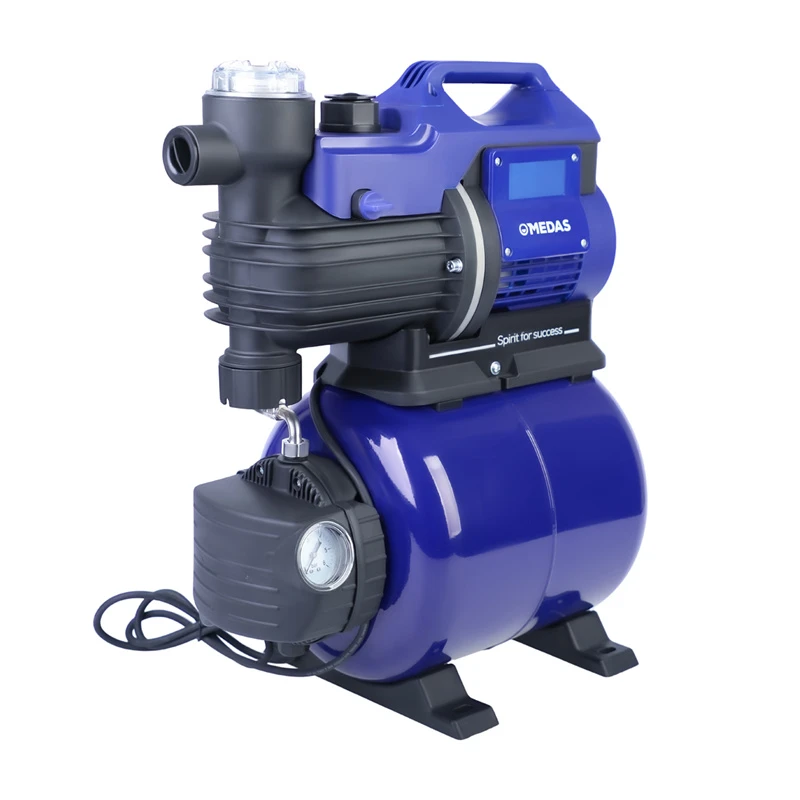
There are different types of garden pumps available, including submersible pumps and external pumps. Submersible pumps are placed directly in the water, which can make them more quiet and efficient. They are also easier to install and maintain. External pumps, on the other hand, are located outside the pond and are often used for larger ponds or more complex water systems. They can provide higher pressure and flow rates but may require more space and additional plumbing.
Maintenance
Regular maintenance is crucial for the proper functioning of a garden pump in a fish pond. This includes cleaning the pump intake to prevent clogs, checking the impeller for damage, and ensuring that the electrical connections are secure. It's also important to replace any worn - out parts as soon as possible to avoid pump failure.
Recommended Garden Pumps for Fish Ponds
As a garden pump supplier, I can recommend several types of pumps that are suitable for fish ponds. Our Automatic Home Garden Pumps LED WIFI offer the convenience of automatic operation and can be controlled via WIFI. They also come with LED lights, which can add a beautiful visual effect to the pond at night.
The Smart Automatic Home Garden Pumps are another great option. These pumps are designed with smart technology, allowing you to adjust the flow rate and other settings according to the specific needs of your fish pond.
For those who are concerned about noise, our Silent Garden Pump is an ideal choice. It operates quietly, ensuring that it won't disturb the peaceful environment of your fish pond or your outdoor living space.
Conclusion
In conclusion, a garden pump can be used for fish ponds, but it's important to choose the right pump and ensure that it meets the specific requirements of your pond. By considering factors such as pond size, fish species, and pump type, you can ensure that your fish pond has proper water circulation, oxygenation, and a healthy ecosystem.
If you're interested in purchasing a garden pump for your fish pond or have any questions about our products, please feel free to contact us for a detailed discussion. We're here to help you make the best choice for your pond.
References
- "The Complete Guide to Garden Ponds" by David MacDonald
- "Fish Pond Maintenance Handbook" by Sarah Thompson
- Manufacturer's specifications and guidelines for garden pumps.


