

Can a submersible pump be used for ship bilge pumping? This is a question that often comes up among shipowners, operators, and those involved in the maritime industry. As a submersible pump supplier, I'm well - versed in the capabilities and limitations of these pumps, and I'll explore this topic in detail.
Understanding Ship Bilge Pumping
The bilge of a ship is the lowest compartment in a ship's hull, where water, oil, and other contaminants collect. Bilge pumping is a crucial operation on a ship, as it helps to keep the bilge area dry, prevent flooding, and maintain the ship's stability. The water in the bilge can be a mixture of seawater, freshwater from leaks, and oil from machinery. Therefore, a bilge pump needs to handle dirty and potentially oily water, and it must be reliable and efficient.
Characteristics of Submersible Pumps
Submersible pumps are designed to be fully submerged in the fluid they are pumping. They have several advantages that make them suitable for various applications, including bilge pumping:
- Compact Design: Submersible pumps are generally compact, which is beneficial in the limited space of a ship's bilge area. Their small size allows for easy installation in tight spaces without taking up too much room.
- Efficient Operation: Since they are submerged in the fluid, submersible pumps do not need to prime, which can save time and energy. They can start pumping immediately, ensuring a quick response in case of an emergency.
- Self - Cooling: The surrounding fluid helps to cool the pump motor, which can extend the pump's lifespan and reduce the risk of overheating.
- Versatility: There are different types of submersible pumps available, such as Submersible Dirty Water Pump, Stainless Steel Clean Water Submersible Pump, and Stainless Steel Dirty Water Submersible Pump. This variety allows for selection based on the specific requirements of the bilge water, whether it is clean or dirty.
Suitability of Submersible Pumps for Ship Bilge Pumping
Advantages
- Handling Dirty Water: Submersible dirty water pumps are specifically designed to handle water with solids and debris. In a ship's bilge, there can be dirt, sand, and small particles, and these pumps can effectively move the dirty water out of the bilge without clogging easily.
- Corrosion Resistance: For ships operating in seawater, corrosion is a major concern. Stainless steel submersible pumps, like the Stainless Steel Dirty Water Submersible Pump, offer excellent corrosion resistance. They can withstand the harsh marine environment and last longer, reducing the need for frequent replacements.
- Quiet Operation: Submersible pumps operate quietly compared to some other types of pumps. This is an advantage on a ship, where noise reduction is important for the comfort of the crew and to avoid interference with on - board equipment.
Challenges
- Oil and Grease Handling: Bilge water often contains oil and grease. While some submersible pumps can handle a certain amount of oil, excessive oil can cause problems such as reduced pump efficiency and damage to the pump seals. Special oil - resistant materials may be required for long - term use in oily bilge water.
- Maintenance and Inspection: Since submersible pumps are submerged, they can be more difficult to access for maintenance and inspection. Regular checks are necessary to ensure the pump is in good working condition, but this can be a challenge in the confined and wet environment of a ship's bilge.
Selecting the Right Submersible Pump for Ship Bilge Pumping
When choosing a submersible pump for ship bilge pumping, several factors need to be considered:
- Flow Rate: The flow rate of the pump should be sufficient to handle the expected amount of water in the bilge. This depends on the size of the ship, the potential sources of water ingress, and the required time to empty the bilge.
- Head Pressure: The pump needs to be able to pump the water to the desired discharge point, which may be overboard or into a holding tank. The head pressure of the pump should be appropriate for the vertical and horizontal distances the water needs to travel.
- Material Compatibility: As mentioned earlier, the pump materials should be compatible with the bilge water, especially if it contains oil or corrosive substances. Stainless steel pumps are a good choice for seawater applications.
- Reliability and Redundancy: In a marine environment, reliability is crucial. It is often recommended to have redundant pumps in case one fails. This ensures continuous bilge pumping and reduces the risk of flooding.
Case Studies
Let's take a look at some real - world examples of submersible pumps used in ship bilge pumping.

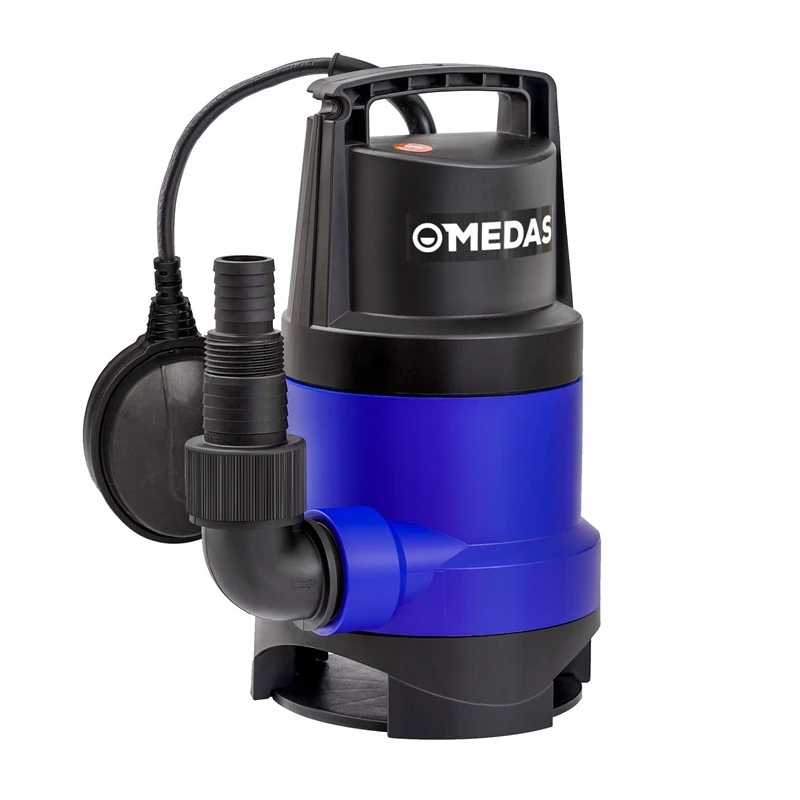
Case 1: A small fishing boat was experiencing bilge water accumulation due to leaks in the hull. The owner installed a Submersible Dirty Water Pump. The pump's compact design allowed for easy installation in the limited bilge space. It was able to handle the dirty water with sand and small debris, and its efficient operation kept the bilge dry.
Case 2: A large cargo ship needed to upgrade its bilge pumping system. They chose Stainless Steel Dirty Water Submersible Pumps for their corrosion resistance and ability to handle the large volume of bilge water. The pumps were installed in redundant systems, providing reliable bilge pumping during long - distance voyages.
Conclusion
In conclusion, submersible pumps can be used for ship bilge pumping, but careful consideration is required. Their compact design, efficient operation, and versatility make them a viable option. However, challenges such as oil handling and maintenance need to be addressed. By selecting the right pump based on the specific requirements of the ship and the bilge water, submersible pumps can provide an effective solution for keeping the ship's bilge dry and safe.
If you are in the market for a submersible pump for ship bilge pumping or any other application, we are here to help. Our team of experts can assist you in choosing the most suitable pump for your needs. Contact us today to start a procurement discussion and ensure that your ship has a reliable bilge pumping system.
References
- "Marine Engineering Handbook" by C. J. Bartle
- "Pump Handbook" by Igor J. Karassik et al.


