

Hey there, fellow pond enthusiasts! I'm a supplier of Garden Pumps, and I often get asked, "Can I use a garden pump to aerate a fish pond?" Well, let's dive right into this topic and find out.
First off, let's understand what aeration is and why it's so important for a fish pond. Aeration is the process of adding oxygen to the water. Fish, like all living creatures, need oxygen to survive. In a fish pond, the oxygen levels can drop due to various reasons. For example, fish consume oxygen as they breathe, and decomposing organic matter in the water also uses up oxygen. If the oxygen levels get too low, it can lead to stress, illness, and even death for the fish.
Now, let's talk about garden pumps. Garden pumps are typically used for various tasks in the garden, such as watering plants, filling up a small pool, or creating a water feature. They come in different types and sizes, and some of them can indeed be used for aerating a fish pond.
One of the main ways a garden pump can help with aeration is by creating water movement. When water moves, it comes into contact with the air, and oxygen from the air dissolves into the water. This process is known as gas exchange. So, if you can use a garden pump to make the water in your fish pond move, you're on your way to increasing the oxygen levels.
There are a few things to consider when using a garden pump for aeration. Firstly, the size of the pump matters. You need a pump that's powerful enough to create sufficient water movement in your pond. If your pond is small, a smaller pump might do the trick. But for a larger pond, you'll need a more powerful pump.

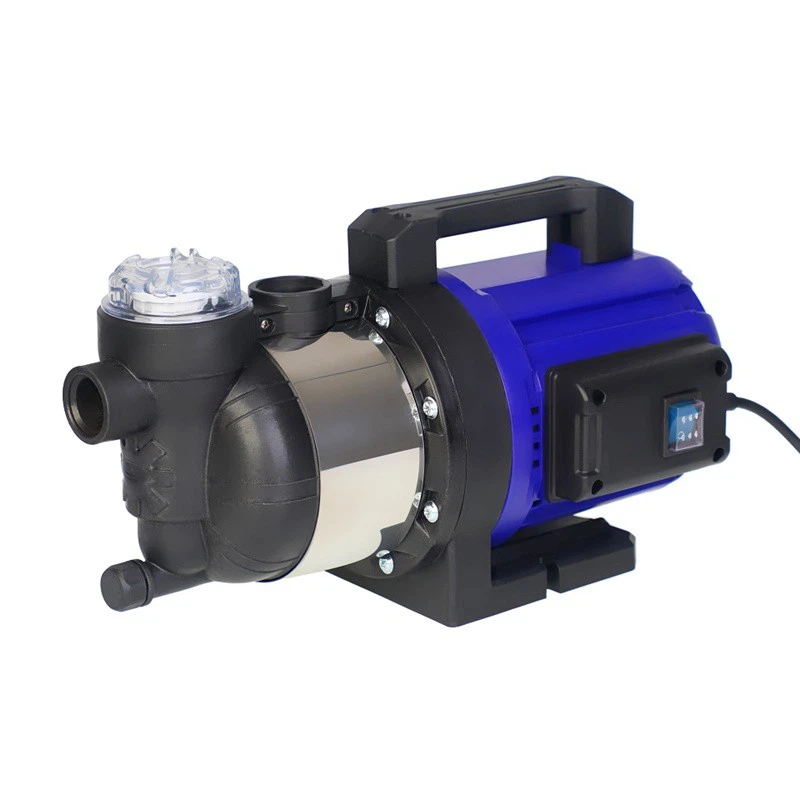
Secondly, the type of pump is important. Some garden pumps are designed to be more efficient at creating water movement. For example, a Silent Garden Pump can be a great choice. It not only helps with aeration but also operates quietly, so it won't disturb you or your neighbors.
Another option is a Garden Pump With Filter System. This type of pump not only aerates the water but also helps to keep it clean by removing debris and impurities. A clean pond is a healthy pond, and it's easier for oxygen to dissolve in clean water.
Let's take a closer look at how you can set up a garden pump for aeration. The most common way is to use the pump to create a waterfall or a fountain. When water falls or sprays into the air, it creates a large surface area for gas exchange to occur. You can place the pump at the bottom of the pond and connect it to a pipe that leads to the waterfall or fountain feature.
If you don't want to create a waterfall or fountain, you can also use the pump to circulate the water within the pond. You can place the pump in one corner of the pond and direct the water flow towards the opposite corner. This will create a circular movement of water, which will help with aeration.
However, there are some limitations to using a garden pump for aeration. Garden pumps are not specifically designed for aeration, so they might not be as efficient as dedicated aeration systems. Dedicated aeration systems, such as air pumps and diffusers, are designed to maximize the amount of oxygen that gets into the water.
Also, garden pumps can be energy-intensive. If you're running the pump for long periods of time, it can increase your electricity bill. So, you need to find a balance between the amount of aeration your pond needs and the energy consumption of the pump.
In some cases, you might need to use a combination of a garden pump and a dedicated aeration system. For example, you can use a garden pump to create water movement and a dedicated aeration system to provide additional oxygen.
Now, let's talk about the benefits of using a garden pump for aeration. One of the biggest benefits is cost. Garden pumps are generally more affordable than dedicated aeration systems. If you're on a budget, using a garden pump can be a great way to aerate your fish pond.
Another benefit is versatility. As I mentioned earlier, garden pumps can be used for other tasks in the garden as well. So, if you're not using it for aeration, you can use it for watering your plants or filling up a small pool.
If you're thinking about using a garden pump for aeration, I recommend checking out our range of Garden Pumps. We have a variety of pumps to suit different pond sizes and needs. Whether you're looking for a silent pump, a pump with a filter system, or a more powerful pump for a large pond, we've got you covered.
In conclusion, yes, you can use a garden pump to aerate a fish pond. It can be a cost-effective and versatile solution, but it's important to choose the right pump and set it up correctly. If you have any questions or need help choosing the right pump for your pond, don't hesitate to reach out. We're here to assist you in creating a healthy and thriving fish pond.
If you're interested in purchasing a garden pump for your fish pond or have any inquiries about our products, feel free to get in touch with us for a procurement discussion. We're eager to help you find the perfect solution for your pond aeration needs.
References
- "Pond Aeration: Why It's Important and How to Do It" - Pond Boss Magazine
- "The Basics of Water Aeration in Fish Ponds" - Fisheries and Aquaculture Extension, University of Florida


