

As a supplier of Silent Garden Pumps, I understand the importance of ensuring that these pumps maintain optimal performance over time. Customers rely on our pumps to keep their gardens well - watered and beautiful, and it's our responsibility to guide them on how to check the performance of these pumps. In this blog, I'll share some effective ways to monitor the long - term performance of a Silent Garden Pump.
1. Initial Setup and Baseline Performance
Before you can start checking the performance of your Silent Garden Pump over time, it's crucial to establish a baseline. When you first install the pump, take note of its key performance indicators.
Flow Rate: Measure the amount of water the pump can move in a given time. You can do this by using a large container and a stopwatch. Place the container under the pump's outlet and time how long it takes to fill it. Calculate the flow rate in liters per minute or gallons per minute. This initial flow rate will serve as a reference point for future checks.
Pressure: Use a pressure gauge to measure the water pressure at the pump's outlet. A normal operating pressure for a garden pump is typically between 20 - 50 psi (pounds per square inch). Record this pressure value, as any significant deviation could indicate a problem.
Noise Level: One of the main selling points of a Silent Garden Pump is its quiet operation. Use a sound - level meter to measure the noise level when the pump is running. A well - functioning silent pump should operate at a relatively low decibel level, usually around 40 - 60 dB.
2. Regular Visual Inspections
Performing regular visual inspections is an easy yet effective way to detect potential issues with your Silent Garden Pump.
Check for Leaks: Look for any signs of water leakage around the pump body, connections, and hoses. Leaks can not only waste water but also reduce the pump's efficiency. If you notice a leak, immediately turn off the pump and check the connections. Tighten any loose fittings or replace damaged seals.
Inspect the Power Cord: Examine the power cord for any signs of wear, fraying, or damage. A damaged power cord can pose a safety hazard and may also affect the pump's performance. If you find any issues with the power cord, replace it with a new one that meets the pump's specifications.
Clean the Pump Housing: Over time, dirt, debris, and leaves can accumulate on the pump housing, which can block the cooling vents and cause the pump to overheat. Use a soft brush or a cloth to clean the pump housing regularly. Make sure to remove any obstructions from the vents to ensure proper air circulation.
3. Monitoring Flow Rate and Pressure
Regularly measuring the flow rate and pressure of your Silent Garden Pump can help you identify performance issues early on.
Flow Rate Checks: Repeat the flow rate measurement process at regular intervals, such as once a month or every season. Compare the current flow rate with the baseline value you recorded during the initial setup. A significant decrease in flow rate could indicate a clogged impeller, a blockage in the intake or outlet pipes, or a problem with the pump motor.
Pressure Checks: Use a pressure gauge to measure the water pressure at the pump's outlet periodically. If the pressure is consistently lower or higher than the normal operating range, it could be a sign of a problem. Low pressure may be caused by a clogged filter, a worn - out impeller, or a problem with the pump's internal components. High pressure, on the other hand, could be due to a blockage in the outlet pipe or a malfunctioning pressure switch.
4. Analyzing Energy Consumption
Monitoring the energy consumption of your Silent Garden Pump can also provide valuable insights into its performance.
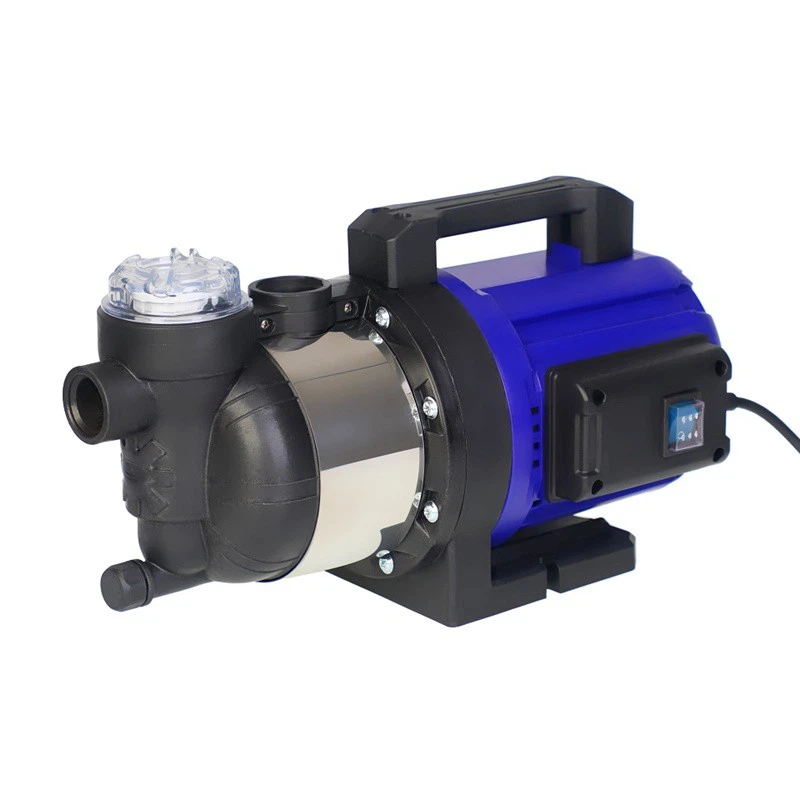

Use a Power Meter: Connect a power meter to the pump's power cord to measure the amount of electricity it consumes. Compare the current energy consumption with the manufacturer's specifications. An increase in energy consumption could indicate a problem with the pump, such as a worn - out motor or a blockage that is causing the pump to work harder.
Look for Patterns: Keep a record of the pump's energy consumption over time. Look for any patterns or trends, such as a gradual increase in consumption or spikes in energy usage. These patterns can help you identify potential issues before they become major problems.
5. Checking the Filter System
If your Silent Garden Pump is equipped with a filter system, it's important to check and maintain it regularly.
Inspect the Filter: Remove the filter from the pump and check it for dirt, debris, and blockages. A clogged filter can reduce the pump's flow rate and efficiency. Clean the filter by rinsing it under running water or replacing it if it's damaged or excessively dirty.
Replace the Filter as Needed: Follow the manufacturer's recommendations for filter replacement. Over time, the filter's effectiveness will decrease, and it will need to be replaced to ensure optimal pump performance. You can find a wide range of Garden Pump With Filter System on our website.
6. Evaluating Noise Level
As mentioned earlier, the quiet operation of a Silent Garden Pump is one of its key features. Monitoring the noise level can help you detect any potential problems.
Regular Noise Checks: Use a sound - level meter to measure the noise level of the pump at regular intervals. Compare the current noise level with the initial measurement. An increase in noise level could indicate a problem with the pump's motor, bearings, or impeller.
Investigate Unusual Noises: If you notice any unusual noises, such as grinding, rattling, or screeching, stop the pump immediately and investigate the cause. These noises could be a sign of a serious problem that requires professional repair.
7. Upgrading and Maintenance
To ensure the long - term performance of your Silent Garden Pump, consider upgrading and maintaining it regularly.
Upgrade Components: As technology advances, there may be opportunities to upgrade your pump's components, such as the motor or impeller, to improve its performance and efficiency. You can explore our range of Garden Multi Stage Pumps for more advanced options.
Follow the Maintenance Schedule: Adhere to the manufacturer's recommended maintenance schedule. This may include tasks such as lubricating moving parts, checking the oil level (if applicable), and replacing worn - out components. Regular maintenance can extend the lifespan of your pump and keep it running smoothly.
Conclusion
Checking the performance of a Silent Garden Pump over time is essential to ensure its long - term reliability and efficiency. By establishing a baseline, performing regular visual inspections, monitoring flow rate and pressure, analyzing energy consumption, checking the filter system, evaluating noise level, and following a proper maintenance schedule, you can keep your pump in top condition.
If you're in the market for a new Silent Garden Pump or need to upgrade your existing one, we offer a wide range of high - quality products, including Automatic Home Garden Pumps LED. Our team of experts is always ready to assist you with your purchasing decisions and provide you with the best solutions for your garden watering needs. Contact us today to start a procurement discussion and find the perfect pump for your garden.
References
- Manufacturer's manuals for Silent Garden Pumps
- Industry standards for garden pump performance and maintenance