

As a professional submersible pump supplier, I often receive inquiries from customers about the maintenance and replacement of pump components. One of the most frequently asked questions is, "How often should I replace the impeller in a professional submersible pump?" In this blog post, I will delve into this topic, providing you with the information you need to make informed decisions about your submersible pump's impeller replacement schedule.
Understanding the Role of the Impeller
Before discussing the replacement frequency, it's essential to understand the impeller's role in a submersible pump. The impeller is a crucial component that rotates at high speed, creating a centrifugal force that draws water into the pump and then pushes it out through the discharge pipe. It is responsible for the pump's efficiency, flow rate, and head pressure. A well - functioning impeller ensures that the pump operates at its optimal performance.
Factors Affecting Impeller Lifespan
Several factors can influence how often you need to replace the impeller in a professional submersible pump:
1. Water Quality
The quality of the water the pump is handling plays a significant role in the impeller's lifespan. If the water contains abrasive particles such as sand, silt, or small rocks, these particles can cause wear and tear on the impeller blades. Over time, this abrasion can lead to reduced efficiency and even damage to the impeller. For example, in applications where the pump is used to draw water from a well with high sediment content or in a construction site where the water is muddy, the impeller may need to be replaced more frequently.

2. Operating Conditions
The operating conditions of the pump also impact the impeller's durability. Continuous operation at high speeds or under high pressure can put additional stress on the impeller, leading to faster wear. Additionally, if the pump is frequently started and stopped, it can cause mechanical stress on the impeller, potentially shortening its lifespan. For instance, in a commercial building's water supply system where the pump runs constantly to meet the high demand, the impeller may experience more wear compared to a pump used in a residential garden pond that operates intermittently.
3. Pump Design and Quality
The design and quality of the pump itself are important factors. High - end submersible pumps are often equipped with impellers made from high - quality materials such as stainless steel or bronze, which are more resistant to corrosion and abrasion. These impellers generally have a longer lifespan compared to those made from lower - quality materials. Moreover, a well - designed impeller with proper blade geometry can operate more efficiently and experience less stress during operation.
4. Chemical Exposure
If the water contains chemicals such as acids, alkalis, or salts, these substances can corrode the impeller. Chemical corrosion can weaken the impeller material, causing it to break or lose its shape. In industrial applications where the pump is used to handle wastewater or chemical solutions, the impeller may be at a higher risk of chemical damage and may require more frequent replacement.
General Guidelines for Impeller Replacement
Based on the above factors, here are some general guidelines for impeller replacement:
1. Light - Duty Applications
In light - duty applications where the pump is used for low - flow, intermittent operation and the water quality is relatively clean, such as in a small residential fountain or a backyard fish pond, the impeller may last for 3 - 5 years. These applications typically involve less stress on the impeller, and the absence of abrasive particles or chemicals in the water helps to extend its lifespan.
2. Medium - Duty Applications
For medium - duty applications like a small commercial building's water supply system or a small agricultural irrigation system, where the pump operates for several hours a day and the water may contain some minor impurities, the impeller should be inspected every 1 - 2 years. If signs of wear, such as reduced flow rate or efficiency, are detected during the inspection, the impeller may need to be replaced.
3. Heavy - Duty Applications
In heavy - duty applications such as large - scale industrial wastewater treatment plants or mining operations, where the pump operates continuously, and the water contains high levels of abrasives or chemicals, the impeller may need to be replaced every 6 - 12 months. These harsh operating conditions can cause rapid wear and tear on the impeller, and regular replacement is necessary to maintain the pump's performance.
Signs That the Impeller Needs Replacement
In addition to following the general guidelines based on the application type, it's important to be aware of the signs that indicate the impeller needs replacement:
1. Reduced Flow Rate
If you notice a significant decrease in the amount of water the pump is delivering, it could be a sign that the impeller is worn. As the impeller blades wear down, they are less able to create the necessary centrifugal force to move water efficiently.
2. Increased Energy Consumption
A worn impeller can cause the pump to work harder to achieve the same flow rate, resulting in increased energy consumption. If you notice a sudden spike in your pump's energy usage, it may be time to check the impeller.
3. Unusual Noise or Vibration
Excessive noise or vibration during pump operation can indicate a problem with the impeller. A damaged or unbalanced impeller can cause the pump to vibrate abnormally, which can also lead to further damage to other pump components if not addressed promptly.
4. Cavitation
Cavitation is a phenomenon where small vapor bubbles form in the water due to low pressure and then collapse suddenly, causing damage to the impeller. If you hear a crackling or popping noise coming from the pump, it could be a sign of cavitation, which usually indicates that the impeller needs to be inspected or replaced.
Importance of Regular Maintenance
Regular maintenance is crucial for extending the impeller's lifespan and ensuring the overall performance of the submersible pump. This includes:
1. Regular Inspections
Periodically inspect the impeller for signs of wear, damage, or corrosion. This can be done during routine pump maintenance or when the pump is turned off for other reasons.
2. Cleaning
Clean the pump and the impeller regularly to remove any debris or sediment that may have accumulated. This can help prevent abrasion and clogging, which can reduce the impeller's efficiency.
3. Lubrication
If the pump has moving parts that require lubrication, make sure to lubricate them according to the manufacturer's recommendations. Proper lubrication can reduce friction and wear on the impeller and other components.
Our Product Range
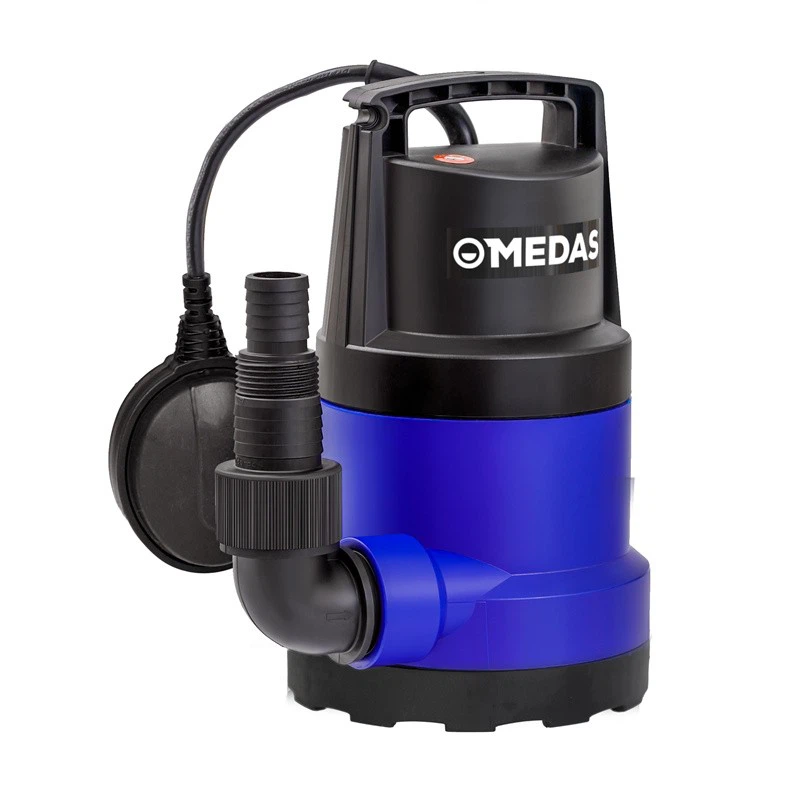
At our company, we offer a wide range of professional submersible pumps to meet different application needs. Our Submersible Clean Water Pump is designed for clean water applications, with high - quality impellers that provide efficient and reliable performance. The Submersible Water Pump Integral Float Switch is suitable for applications where automatic operation is required, and it features a durable impeller that can withstand continuous use. For pool maintenance, our Pool Cover Pump is equipped with an impeller designed to handle the specific requirements of pool water circulation.
Contact Us for Purchasing
If you are in need of a professional submersible pump or have questions about impeller replacement and maintenance, we are here to help. Our team of experts can provide you with detailed information and guidance on choosing the right pump for your application and ensuring its long - term performance. Contact us today to start a purchase negotiation and find the best solution for your pumping needs.
References
- "Pump Handbook" by Igor J. Karassik, Joseph P. Messina, Paul Cooper, and Charles C. Heald.
- "Centrifugal Pumps: Design and Application" by Heinz P. Bloch and Allan R. Budris.


