

As a trusted supplier of submersible clean water pumps, ensuring these essential devices operate correctly is crucial for both your convenience and efficiency. Submersible clean water pumps are used in various applications, from residential water supply systems to industrial water management. In this blog, we'll explore in detail how to check if a submersible clean water pump is working properly.
Visual Inspection
Before delving into complex diagnostic methods, a simple visual inspection can reveal a lot about the pump's condition. Here's what you should look for:
- Physical Damage: Examine the pump casing for any signs of cracks, dents, or corrosion. Cracks can cause water leakage and affect the pump's performance, while corrosion can weaken the structure over time. If you notice any physical damage, it's best to consult a professional to assess whether the pump can be repaired or needs to be replaced.
- Power Cord: Check the power cord for any fraying, cuts, or exposed wires. A damaged power cord can pose a significant safety hazard and may also prevent the pump from receiving power. If the power cord is damaged, do not attempt to repair it yourself. Instead, replace it with a suitable cord rated for the pump's voltage and current requirements.
- Impeller and Strainer: If possible, access the impeller and strainer of the pump. The impeller is the rotating component that moves water through the pump, while the strainer prevents debris from entering the pump and causing damage. Look for any blockages or damage to the impeller blades or strainer. A blocked impeller can reduce the pump's flow rate and efficiency, while a damaged strainer may allow debris to enter the pump and cause further problems.
Electrical Checks
Submersible pumps rely on electricity to operate, so ensuring the electrical components are in good working condition is essential. Here are some electrical checks you can perform:
- Voltage Supply: Use a multimeter to check the voltage supply at the pump's power source. Make sure the voltage is within the pump's rated voltage range. A voltage that is too high or too low can cause the pump to malfunction or even damage the motor. If the voltage is outside the acceptable range, check the electrical panel or consult an electrician to resolve the issue.
- Motor Resistance: Check the resistance of the pump motor using a multimeter. Compare the measured resistance with the manufacturer's specifications. A significant deviation from the specified resistance may indicate a problem with the motor, such as a short circuit or an open circuit. If you suspect a motor problem, it's best to have the motor tested by a professional.
- Grounding: Ensure the pump is properly grounded. A good ground connection protects against electrical shocks and helps prevent damage to the pump and other electrical components. Check the grounding wire for any signs of damage or loose connections. If the grounding wire is damaged, replace it with a suitable wire and ensure it is securely connected to the pump and the electrical system.
Performance Testing
Once you've completed the visual and electrical checks, it's time to test the pump's performance. Here are some key performance indicators to monitor:
- Flow Rate: Measure the flow rate of the pump using a flow meter or by calculating the volume of water pumped over a specific period. Compare the measured flow rate with the pump's rated flow rate. A lower flow rate may indicate a blockage in the pump, the piping system, or a problem with the impeller. If the flow rate is significantly lower than the rated flow rate, check for blockages and clean or replace the impeller if necessary.
- Pressure: Use a pressure gauge to measure the pressure at the pump outlet. The pressure should be within the pump's rated pressure range. A pressure that is too high or too low can indicate a problem with the pump or the piping system. If the pressure is outside the acceptable range, check for blockages, leaks, or a malfunctioning pressure switch.
- Noise and Vibration: Listen for any unusual noises or vibrations coming from the pump during operation. Excessive noise or vibration can indicate a problem with the pump's bearings, impeller, or motor. If you notice any abnormal noise or vibration, stop the pump immediately and check for the source of the problem. Continuing to operate the pump with excessive noise or vibration can cause further damage to the pump and reduce its lifespan.
Additional Checks
To ensure the long-term reliability and performance of your submersible clean water pump, consider the following additional checks:
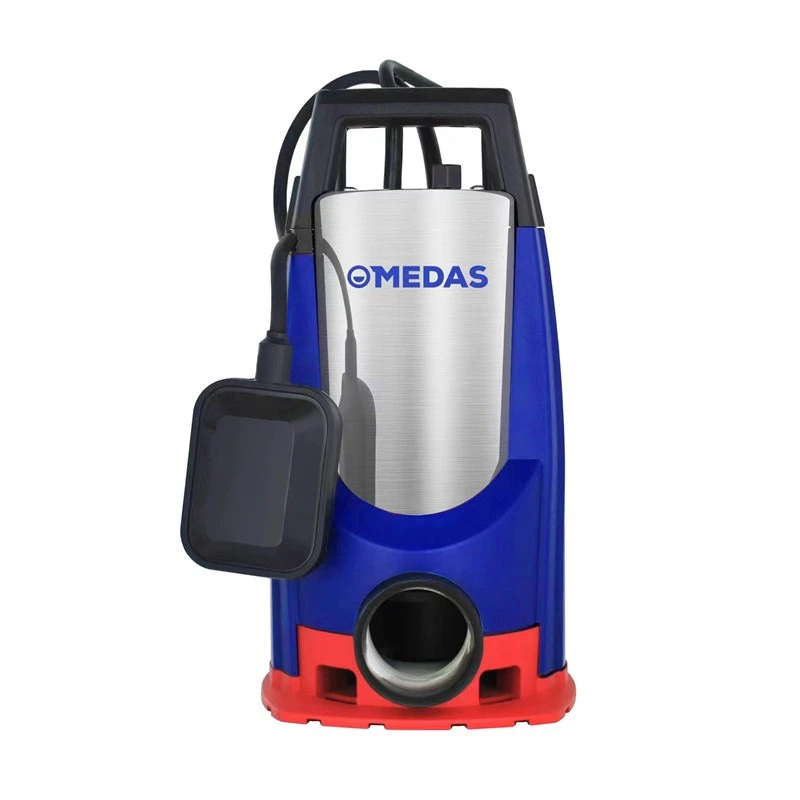

- Float Switch Operation: If your pump is equipped with a Submersible Water Pump Integral Float Switch, test its operation. The float switch is responsible for turning the pump on and off automatically based on the water level. Make sure the float switch moves freely and activates the pump at the appropriate water levels. If the float switch is not working correctly, it may need to be adjusted or replaced.
- Seal Integrity: Check the seals of the pump to ensure they are intact and preventing water leakage. A leaking seal can cause water to enter the motor compartment, leading to electrical problems and motor damage. If you notice any signs of water leakage around the seals, replace the seals as soon as possible.
- Temperature: Monitor the temperature of the pump motor during operation. Excessive heat can indicate a problem with the motor or the cooling system. If the motor feels hot to the touch or if the temperature rises above the normal operating range, stop the pump and allow it to cool down. Check for any blockages in the cooling passages or a malfunctioning cooling fan.
Troubleshooting Common Problems
Even with regular checks and maintenance, submersible clean water pumps can sometimes experience problems. Here are some common problems and their possible solutions:
- Pump Not Starting: If the pump does not start, check the power supply, the circuit breaker, and the control switch. Make sure the pump is receiving power and that the control switch is in the "on" position. If the power supply and control switch are okay, the problem may be with the motor or the electrical components. Consult a professional for further diagnosis and repair.
- Low Flow Rate: A low flow rate can be caused by a blockage in the pump, the piping system, or the strainer. Check for any debris or blockages and clean or replace the affected components. If the problem persists, the impeller may be damaged or worn out and need to be replaced.
- Excessive Noise or Vibration: Excessive noise or vibration can be caused by a variety of factors, including a misaligned impeller, worn bearings, or a loose motor mount. Check for any signs of misalignment or damage and adjust or replace the affected components. If the problem persists, the pump may need to be balanced or serviced by a professional.
- Water Leakage: Water leakage can be caused by a damaged seal, a cracked casing, or a loose connection. Check the seals, casing, and connections for any signs of damage or leakage and repair or replace the affected components as necessary.
Conclusion
Regularly checking your submersible clean water pump is essential to ensure its proper operation and longevity. By performing visual inspections, electrical checks, and performance tests, you can identify and address any potential problems before they become major issues. If you're unsure about any aspect of checking or maintaining your pump, don't hesitate to contact us. We're here to help you keep your Combination Multifunctional Submersible Pump or Enormous Flow Submersible Pump in top condition.
We are committed to providing high-quality submersible clean water pumps and excellent customer service. If you're in the market for a new pump or need assistance with your existing pump, we invite you to contact us for a consultation. Our team of experts will be happy to answer your questions and help you find the right solution for your needs. Let's work together to ensure your water pumping systems run smoothly and efficiently.
References
- Manufacturer's manuals for submersible clean water pumps
- Industry standards and guidelines for pump installation and maintenance
- Technical literature on electrical systems and motor operation


