

Hey there! As a supplier of Automatic Home Booster Pumps, I've seen firsthand how these nifty devices can transform your home's water pressure situation. But like any piece of equipment, they need a bit of TLC to perform at their best. In this blog, I'm gonna share some tips on how to optimize the performance of an Automatic Home Booster Pump.
1. Proper Installation
First things first, getting the installation right is crucial. A poorly installed pump can lead to all sorts of problems down the line. Make sure you place the pump in a dry, well - ventilated area. It should be close to the water source, but not in a spot where it'll get splashed or submerged.
When connecting the pipes, use high - quality fittings. Leaky pipes can cause a significant drop in pressure. And don't forget to install a check valve. This little device prevents water from flowing back into the pump when it's not running, which can save a lot of wear and tear on the pump.
If you're not confident in your DIY skills, it's worth hiring a professional plumber. They've got the experience and tools to ensure the pump is installed correctly. You can find out more about our Automatic Home Booster Pump on our website, which provides detailed installation guides.
2. Regular Maintenance
Just like your car needs regular oil changes, your booster pump needs some maintenance. One of the most important things is to clean the inlet filter regularly. Over time, dirt, debris, and sediment can build up in the filter, restricting the flow of water into the pump. This not only reduces the pump's efficiency but can also cause it to overheat.
To clean the filter, simply turn off the pump and disconnect it from the power source. Then, remove the filter and rinse it under running water. If it's really dirty, you might need to soak it in a mild detergent solution. Make sure it's completely dry before you put it back in.
Another aspect of maintenance is checking the pump's seals and gaskets. These parts can wear out over time, leading to leaks. If you notice any signs of leakage, such as water pooling around the pump, it's time to replace the seals or gaskets.
3. Correct Sizing
Using the right - sized pump for your home is essential. If the pump is too small, it won't be able to generate enough pressure to meet your water needs. On the other hand, if it's too large, it'll consume more energy than necessary and may even cause damage to your plumbing system.
To determine the correct size, you need to consider factors like the number of water outlets in your home, the distance between the pump and the farthest outlet, and the elevation difference. You can use online calculators or consult with a professional to help you make the right choice. Our Automatic Home Garden Pumps LED WIFI come in a variety of sizes to suit different home requirements.
4. Pressure Settings
Most automatic home booster pumps allow you to adjust the pressure settings. Finding the optimal pressure for your home is key to getting the best performance. If the pressure is set too low, you'll still experience weak water flow. If it's set too high, it can put unnecessary stress on your pipes and fixtures.
Start by setting the pressure to the manufacturer's recommended level. Then, test the water flow at different outlets in your home. If you find that the pressure is still not satisfactory, you can make small adjustments. Just be careful not to go too far, as excessive pressure can lead to leaks and burst pipes.
5. Energy Efficiency
Optimizing the performance of your booster pump also means making it as energy - efficient as possible. This not only saves you money on your electricity bill but is also better for the environment.
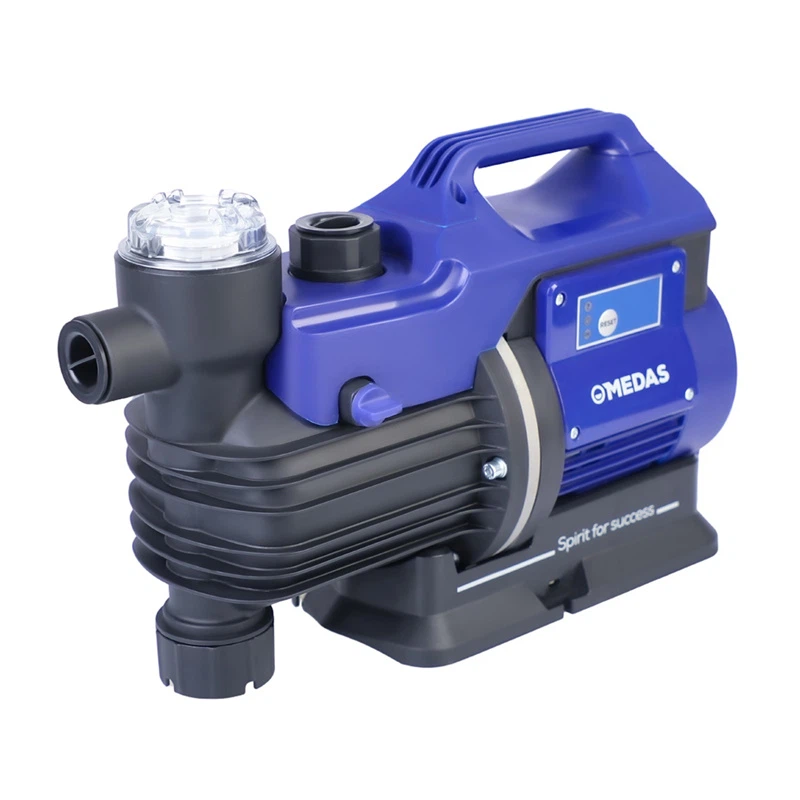

One way to improve energy efficiency is to use a variable - speed pump. These pumps adjust their speed based on the water demand, which means they use less energy when the demand is low.
Another tip is to insulate the pipes. Insulated pipes reduce heat loss, which can help the pump work more efficiently, especially in colder climates. You can also consider installing a Garden Pump With Filter System, which not only filters the water but also helps in maintaining a consistent water flow, reducing the pump's workload.
6. Monitoring and Troubleshooting
Keep an eye on your pump's performance. Listen for any unusual noises, such as grinding or rattling, which could indicate a problem with the pump's motor or impeller. Check the water pressure regularly to make sure it's within the desired range.
If you encounter any issues, don't panic. Most problems can be fixed with a bit of troubleshooting. Check the power supply, the filter, and the pressure settings first. If you're still having trouble, refer to the pump's manual or contact our customer support team.
Conclusion
Optimizing the performance of an Automatic Home Booster Pump isn't rocket science. By following these tips on proper installation, regular maintenance, correct sizing, pressure settings, energy efficiency, and monitoring, you can ensure that your pump runs smoothly and efficiently for years to come.
If you're in the market for a new booster pump or need replacement parts, we're here to help. Our range of Automatic Home Booster Pump is designed to meet the diverse needs of homeowners. Whether you're looking for a basic model or a high - tech pump with LED and WIFI features like our Automatic Home Garden Pumps LED WIFI, we've got you covered.
Don't hesitate to reach out if you have any questions or want to discuss your specific requirements. We're always happy to assist you in finding the perfect solution for your home's water pressure needs. Let's work together to make your home's water system more efficient and reliable!
References
- General knowledge and experience in the field of home booster pumps.
- Manufacturer's manuals and guides for Automatic Home Booster Pumps.


