

What is the suction capacity of a professional submersible pump?
As a professional submersible pump supplier, I often encounter inquiries from customers about the suction capacity of our pumps. Understanding the suction capacity is crucial for ensuring that the pump can effectively meet the requirements of various applications, whether it's for residential, commercial, or industrial use. In this blog post, I will delve into the concept of suction capacity, factors that affect it, and how it relates to our range of submersible pumps.
Understanding Suction Capacity
Suction capacity refers to the ability of a submersible pump to draw water or other fluids from a source and transport it to the desired location. It is typically measured in terms of the maximum vertical distance the pump can lift the fluid (suction lift) and the flow rate at which it can do so. The suction lift is limited by several factors, including atmospheric pressure, the design of the pump, and the properties of the fluid being pumped.
Atmospheric pressure plays a significant role in determining the maximum suction lift. At sea level, the standard atmospheric pressure is approximately 14.7 pounds per square inch (psi), which corresponds to a maximum theoretical suction lift of about 33.9 feet (10.3 meters). However, in practice, the actual suction lift is usually less than this theoretical value due to factors such as friction losses in the suction pipe, the vapor pressure of the fluid, and the efficiency of the pump.
The design of the pump also affects its suction capacity. Pumps with a larger impeller diameter and a higher rotational speed generally have a greater suction capacity. Additionally, the type of impeller (e.g., open, semi-open, or closed) and the number of stages in the pump can also influence its performance.
The properties of the fluid being pumped, such as its viscosity, density, and temperature, can also impact the suction capacity. For example, a more viscous fluid will require more energy to be pumped, which can reduce the suction lift and flow rate. Similarly, a fluid with a high vapor pressure may cause cavitation (the formation and collapse of vapor bubbles) in the pump, which can damage the impeller and reduce the pump's efficiency.
Factors Affecting Suction Capacity
In addition to the factors mentioned above, there are several other factors that can affect the suction capacity of a submersible pump:
- Suction Pipe Diameter and Length: A larger diameter suction pipe will generally result in lower friction losses and a higher flow rate. However, increasing the pipe diameter also increases the cost and may not be practical in all applications. The length of the suction pipe also affects the suction capacity, as longer pipes will have higher friction losses.
- Suction Pipe Fittings: The type and number of fittings (e.g., elbows, tees, valves) in the suction pipe can also increase friction losses and reduce the suction capacity. It is important to minimize the number of fittings and use smooth, well-designed fittings to reduce these losses.
- Submergence Depth: The depth at which the pump is submerged in the fluid can also affect its suction capacity. In general, the deeper the pump is submerged, the greater the pressure at the inlet of the pump, which can increase the suction lift and flow rate. However, there is a limit to the submergence depth, as excessive submergence can cause problems such as overheating and damage to the pump.
- Fluid Temperature: As mentioned earlier, the temperature of the fluid being pumped can affect its vapor pressure and viscosity, which in turn can impact the suction capacity. In general, higher fluid temperatures will result in a higher vapor pressure and a lower viscosity, which can reduce the suction lift and flow rate.
Our Range of Submersible Pumps
At our company, we offer a wide range of submersible pumps with different suction capacities to meet the needs of various applications. Our pumps are designed and manufactured using the latest technology and high-quality materials to ensure reliable performance and long service life.
One of our popular products is the Submersible Water Pump Integral Float Switch. This pump is equipped with an integral float switch that automatically turns the pump on and off as the water level rises and falls, making it ideal for applications such as sump pumping, drainage, and sewage handling. The pump has a high suction capacity and can lift water from depths of up to 25 feet (7.6 meters).
Another product in our range is the Combination Multifunctional Submersible Pump. This pump is designed for use in a variety of applications, including irrigation, water transfer, and industrial processes. It features a combination of functions, such as a built-in pressure switch, a thermal overload protector, and a high-efficiency impeller, which make it a versatile and reliable choice for many users. The pump has a maximum suction lift of up to 30 feet (9.1 meters) and a flow rate of up to 100 gallons per minute (GPM).
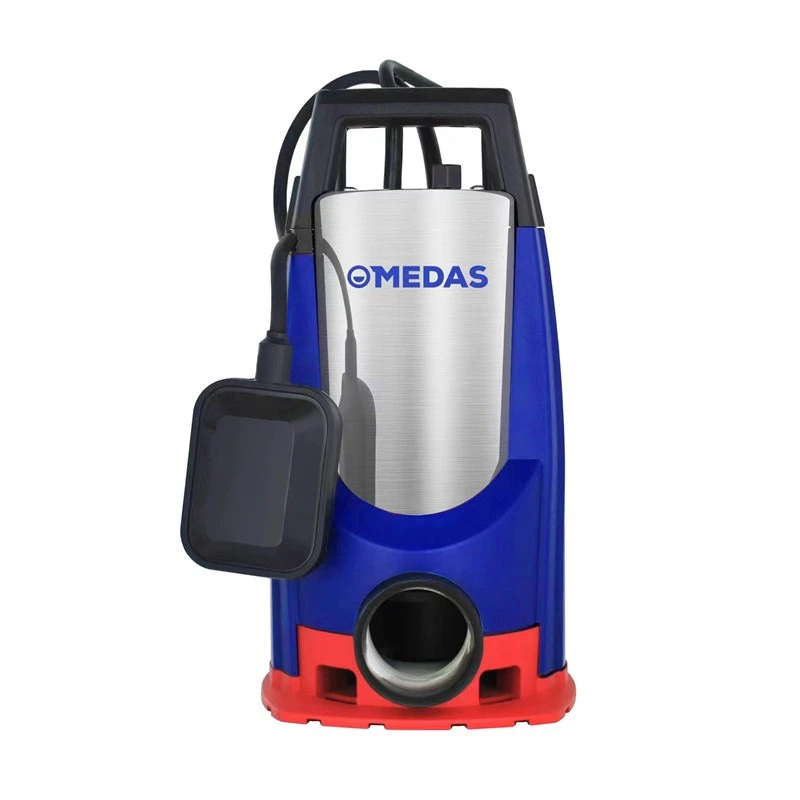

For applications where clean water needs to be pumped, we offer the Stainless Steel Clean Water Submersible Pump. This pump is made of high-quality stainless steel, which makes it resistant to corrosion and suitable for use in harsh environments. It is designed for use in applications such as well water supply, water circulation in aquariums, and fountain pumps. The pump has a maximum suction lift of up to 20 feet (6.1 meters) and a flow rate of up to 50 GPM.
Importance of Choosing the Right Suction Capacity
Choosing the right suction capacity for your submersible pump is essential for ensuring optimal performance and efficiency. If the suction capacity is too low, the pump may not be able to draw enough water from the source, which can result in reduced flow rate and poor performance. On the other hand, if the suction capacity is too high, the pump may consume more energy than necessary, which can increase operating costs and reduce the lifespan of the pump.
To determine the appropriate suction capacity for your application, you need to consider several factors, such as the depth of the water source, the distance the water needs to be pumped, the flow rate required, and the properties of the fluid being pumped. You may also want to consult with a professional pump supplier or engineer, who can help you select the right pump for your specific needs.
Contact Us for More Information
If you have any questions about the suction capacity of our submersible pumps or need help selecting the right pump for your application, please do not hesitate to contact us. Our team of experienced professionals is available to provide you with expert advice and guidance, and we will work with you to find the best solution for your needs.
We also offer a range of services, such as pump installation, maintenance, and repair, to ensure that your pump operates at its best. Whether you are a homeowner, a contractor, or an industrial user, we have the expertise and resources to meet your needs.
In conclusion, understanding the suction capacity of a professional submersible pump is crucial for ensuring its optimal performance and efficiency. By considering the factors that affect suction capacity and choosing the right pump for your application, you can ensure that your pump will provide reliable and cost-effective service for many years to come.
References
- "Pump Handbook" by Igor J. Karassik et al.
- "Centrifugal Pumps: Design and Application" by Stepanoff, A. J.
- "Fluid Mechanics and Hydraulics" by R. L. Daugherty and J. B. Franzini.


